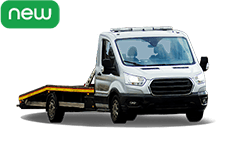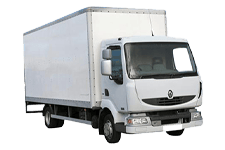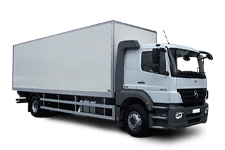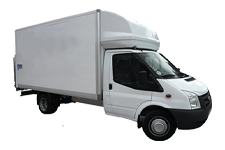
Organising a multi-drop truck journey around Loughton requires careful coordination between your cargo, your timetable, and the vehicle itself. Taking time to plan each stage prevents unexpected loading hassles and keeps your deliveries moving smoothly.
Map Your Cargo by Delivery Sequence
Organise your cargo according to delivery order before selecting a vehicle category. Planning for multiple destinations means you must reach earlier goods without shifting heavier items repeatedly; opting for a slightly larger cargo bay often saves substantial handling effort and keeps items secure between drops.
Evaluate Driver Confidence and Licence Categories
Confirm that your nominated driver holds the correct licence category and feels comfortable handling a larger commercial vehicle. Multi-stop routes involve frequent turning, tight parking, and repeated climbing in and out of the cab, making driving comfort and visibility just as crucial as raw payload.
Review Physical Access Across All Stops
Assess height restrictions, narrow approach roads, and kerbside loading space at every scheduled stop rather than just your starting point. A truck that navigates the main roads easily might struggle around cramped residential cul-de-sacs, so verifying access beforehand prevents costly roadside holds.
Confirm Timelines, Cover and Vehicle Availability
Establish clear collection and return times that build in sensible buffers for unloading delays, while checking deposit and fuel conditions upfront. Regional fleet availability fluctuates across the year, so reserving your vehicle ahead of time protects your schedule against unexpected shortages on the day.
Questions before you book
How do I choose the right truck to hire in Loughton?
Calculate your total weight, cargo volume, and the sequence of your drop-offs first. Select a vehicle format that safely handles your largest consignment while remaining practical to manoeuvre into the tightest destination on your planned route.
Can a hire company confirm a truck suits my job before I book?
Sharing your intended stops, load dimensions, and driver details allows the rental team to recommend a suitable category. They can help clarify payload boundaries and body types, though checking specific gateway clearances and unloading space remains the hirer's responsibility.