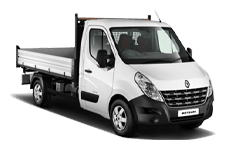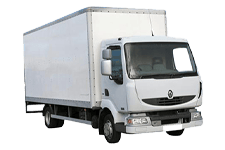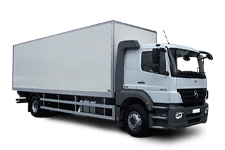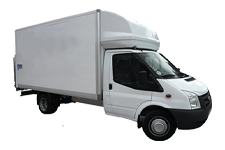
When a team needs to choose a commercial vehicle for an upcoming project, sizing often sparks debate. Weighing your actual site access, driver categories, and physical cargo together prevents paying for excess capacity or running multiple unplanned trips.
Assess Physical Access Before Looking at Capacity
Narrow approach roads, low tree canopies, and awkward turning circles can quickly rule out larger chassis cabs. Walk or map the tightest delivery point first, noting any height restrictions or parking limits that dictate the maximum exterior footprint your driver can safely handle.
Confirm Driver Licences Early in the Plan
Nothing stalls a project faster than booking a vehicle nobody on shift is qualified to take out. Have every potential driver check their photocard entitlement for higher weight limits before the team settles on a heavier model, as newer licences often restrict driving to standard vans.
Calculate Packed Volume Rather Than Flat Floor Space
Bulk often matters more than pure weight, especially with pre-assembled joinery, crated stock, or loose staging. Gauge items as they will actually stand inside the cargo bay, accounting for wheel-arch intrusion and internal tie rails so you do not under-estimate the cubic space needed.
Finalise Working Windows and Schedule Uncertainties
Shift patterns rarely line up with standard opening times, meaning collection schedules need early agreement. Specific vehicle categories can fluctuate in availability across regional depots depending on seasonal demand, so aligning rental periods with realistic loading times protects against last-minute swaps or avoidable extension costs.
Questions before you book
How do I pick the right truck for my job in Newburgh?
Compare your largest unbroken item against internal door apertures and confirm your driver holds the right category on their photocard licence. Setting these two boundaries narrows the vehicle class immediately.
What should a first truck hire enquiry from Newburgh include?
Detail your preferred collection date, the rough weight and volume of your cargo, and any overhead height constraints at either end of the journey to ensure the suggested class fits the task.