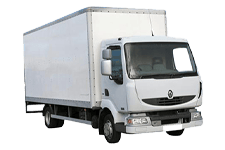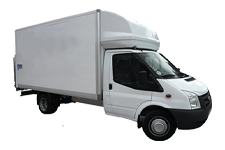
Organising a truck for a long-distance run with multiple team members requires realistic planning from the outset. Factoring in cab seating, turnaround buffers, and site access helps prevent delays before departure.
Confirm Who Is Travelling and Taking the Wheel
Check how many belted seats are fitted in the cab if colleagues are travelling alongside the driver over distance. Sharing the driving across a long haul keeps everyone fresh, but each person must be registered on the paperwork beforehand. Decide your exact crew size early so the vehicle sourced matches passenger needs.
Build Space Around Collection and Drop-Off
Traffic hold-ups and lengthy loading times often disrupt optimistic timetables on long journeys. Scheduling collection the afternoon before or allowing an extra morning window protects the itinerary from unexpected highway snarls. Certain cab configurations can be tight on supply during peak periods, so settling your timetable early avoids last-minute compromises.
Clarify Onboard Gear Alongside Total Hire Terms
Establish whether you need features like a tail lift, tie-down rails, or an automatic gearbox when requesting your quote. Combining equipment requirements with questions regarding mileage thresholds, fuel policies, and deposit structures ensures clear cost expectations without separate queries.
Assess Loading Access and Weight Honestly
Weighing the total mass of your equipment alongside passenger weights keeps the vehicle within safe operating boundaries. Consider tight gateways, steep driveways, or height limits at both the collection point and the final destination to confirm a large vehicle can actually reach the door.
Questions before you book
How should I time a truck hire in Reigate?
Align your booking times with real-world loading durations rather than ideal travel conditions. Factoring in rush-hour traffic and journey breaks prevents rushing during the handover process.
What if I need the truck for longer than planned in Reigate?
Contact the hire provider as soon as you anticipate a delay so they can check forward bookings. Extensions depend on fleet commitments, so early communication gives the best chance of retaining the vehicle.