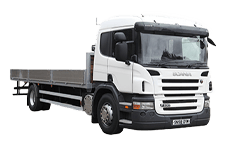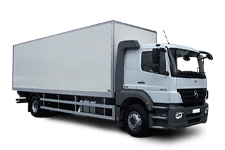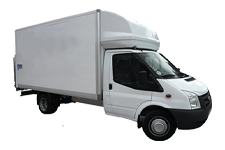
Choosing a truck is mostly a question of size, and size is decided by the load, not the label. Someone shifting a flat's worth of furniture on a Saturday needs a different vehicle from a builder moving pallets twice a week. Get the measurement right first.
Measure the Load, Not the Truck
List everything that must travel, then weigh the awkward items honestly. Cubic metres on a website tell you little until you picture your own boxes, sofas or pallets inside. One badly judged sofa can turn a small truck into two trips. Write the list before you enquire.
When a Bigger Truck Saves Money
Sometimes the cheaper daily rate belongs to the smaller truck, yet the larger one wins on arithmetic. A single run in a bigger vehicle beats two runs in a small one once fuel, mileage charges and a second day's hire are counted. Do the sums both ways before deciding.
Licence and Confidence Matter as Much as Capacity
The right truck is one your drivers can handle lawfully and comfortably. Larger vehicles can demand a different licence category, and confidence behind the wheel counts too — a nervous driver in a big cab is a hazard, not a bargain. State what each driver holds when you enquire.
Ask About Access Kit Early
A tail lift, load restraints or ramps can matter more than extra cubic feet, particularly with heavy or bulky items. Mention any kit you need at the start of the enquiry, since fleets vary between operators and what you want may not be sitting unbooked when you need it.
Questions before you book
How do I choose the right truck size in Stewkley?
List every item, note the heaviest and most awkward, estimate total volume, then ask the hire firm to match their fleet to that picture rather than requesting a vague 'medium'.
Does a bigger truck always cost more?
Not necessarily. A larger vehicle may finish in one trip, saving fuel, mileage charges and a second hire day. Compare the full cost of each option before choosing.