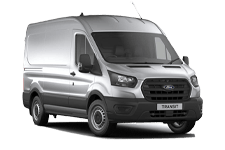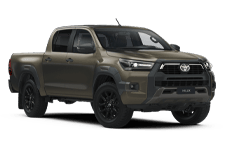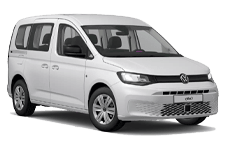
When planning a cross-country trip with a group alongside tools, equipment, or luggage, hiring the right vehicle requires careful attention to both passenger comfort and turnaround schedules. Setting realistic timelines before leaving Eastleigh protects your schedule from unexpected delays.
Schedule around your final drop-off
Begin your travel plan with the return deadline firmly in mind. Long highway trips frequently encounter unpredictable congestion, so budgeting a two-hour buffer before the counter closes prevents rushing to refuel and unburden the cabin at the final moment.
Take inspection notes thoroughly before departure
Walking round the vehicle during collection pays dividends before travelling with a full cabin. Note every minor scuff, check seatbelt anchor points, and confirm tyre condition with the rental agent so the initial condition sheet accurately reflects the vehicle before you leave.
Balance seat counts against cargo volume
Explaining your passenger numbers alongside luggage bulk allows the hire team to balance cabin seats against storage bay limits. Fleet choices can fluctuate depending on current seasonal demand, making it wise to discuss your exact travelling party early rather than assuming any standard model will accommodate everyone and their bags.
Conclude your check-in alongside staff
Conclude your rental by having the agent walk round the exterior and sign off the fuel level on the spot. Requesting a completed check-in confirmation before departing the site avoids disputed inspection findings later in the week.
Questions before you book
How should I plan the timing of a van hire in Eastleigh?
Factor in potential highway delays on long runs by allowing spare time between your arrival home and the depot closing hour. Booking an early pickup slot gives your passengers time to settle gear properly without missing departure targets.
What should a van hire enquiry in Eastleigh include?
State how many passengers need seatbelts, estimate the total volume of luggage or equipment, and mention the intended travel distance. Clear details help the desk suggest appropriate vehicle layouts that keep both people and gear secure.