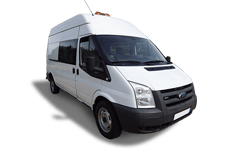
When travelling together with bulky gear, balancing cabin seats against boot space requires careful thought. Choosing the right vehicle setup ensures everyone travels comfortably alongside their luggage without making compromises at collection.
Organising Driver Details and Budget Early
Gather everyone's driving credentials and decide payment contributions before approaching any supplier. Confirming who will take the wheel and settling payment cards upfront avoids delays at the desk. Make sure designated drivers hold the necessary paperwork ready for presentation.
Balancing Seat Count Against Cargo Volume
Count every traveller first, then list the suitcases, equipment bags, or display crates they plan to bring. Selecting a crew-cab style vehicle gives you extra belted seating, whereas a standard panel van maximises load depth. Double-check your dimensions early, as specific layouts can be limited in availability during busy travel periods.
Adding Buffer Time to the Travel Schedule
Build generous time buffers into the departure and return legs rather than assuming clear roads and instant loading. Group trips frequently run behind schedule when packing personal belongings or navigating unfamiliar junctions. Giving your timetable an extra hour relieves pressure and prevents rushed driving.
Managing Vehicle Collection and Drop-Off
Inspect the vehicle thoroughly together with staff before leaving the premises, noting any pre-existing blemishes on the hire agreement. Take digital photos in good lighting and familiarise the driver with mirror adjustments and cabin controls. On return, allow sufficient time for fuel checks and a mutual walkaround.
Questions before you book
What should a van hire enquiry in Lancaster include?
State the total number of passengers travelling, the approximate volume of gear, your planned collection dates, and who will be driving. Providing clear passenger numbers ensures you receive a layout with adequate seats.
How should I plan the day when hiring a van in Lancaster?
Allow thirty minutes for check-out checks, pad your journey estimates to accommodate careful driving in a larger vehicle, and schedule return fuel stops well before the agreed drop-off window.