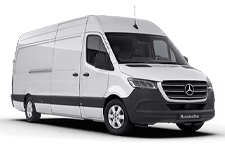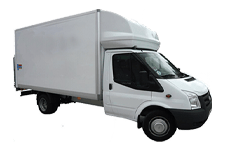
A tight schedule leaves little room for second trips or wrong choices. If you're hiring a van in Maidstone, working through a few decisions in order—size, licence, routes, collection—can make the difference between finishing early and watching the clock. Here's how to think it through.
Match the Van to the Job
Start by listing what you're actually moving. A few boxes and a bicycle fit comfortably in a compact panel van; a sofa or several lengths of timber call for a long-wheelbase model. Imagine loading the largest item first, then decide whether everything else follows. Guessing on size usually means wasted trips.
Check Your Licence First
Most standard UK driving licences cover vans up to 3.5 tonnes, which handles the majority of everyday hires. If you passed your test more recently, or you're considering something heavier, look at your licence category before reserving. A two-minute check now prevents a frustrating discovery at the collection desk.
Consider Access and Routes
Think about where the van will actually go. Narrow lanes, height barriers, or a driveway with a tight turn all shape which vehicle makes sense. Picture the full journey—collection point, pickup address, drop-off—and note anything awkward. A smaller van you can park easily often beats a bigger one that causes headaches.
Booking and Collection Tips
When time is short, book early and confirm the exact collection time in writing. Bring your licence, a second form of ID and a payment card in your own name. Ask what fuel level the van should be returned with, and check it over for damage before driving away. Availability on busy Saturdays can tighten quickly, so reserve as soon as plans firm up.
Questions before you book
Can I drive a hire van on a normal car licence?
Usually, yes. A full UK category B licence covers vans up to 3.5 tonnes gross vehicle weight, which includes most standard hire models. Heavier vehicles need additional categories, so verify your licence before booking anything unusual.
How do I know which van size to choose?
Measure your largest item and compare it against the load area, allowing room for manoeuvring. If you're torn between two sizes, going one step up is often worth it—extra space costs a little more, but a second trip costs far more time.