Organising a working trip that involves both team members and heavy kit requires careful coordination. Planning your transport around cargo dimensions and passenger seating keeps your working day running smoothly from start to finish.
Establish Your Project Demands
Start by clarifying how many colleagues must travel together alongside your work gear. Calculate whether personal baggage, testing units, or bulk materials must travel in the same vehicle. Decide immediately if transporting the entire crew in one multi-seat vehicle is essential or whether splitting passengers and tools creates a safer, more manageable journey.
Verify Driver Credentials Ahead of Time
Check driving licences, identity paperwork, and relevant verification codes before contacting providers. Choosing who sits behind the wheel should never be left until departure morning. Settle on your primary driver and an alternative colleague in advance so that administrative checks never hold up your project timeline on the day.
Balance Seating Against Cargo Capacity
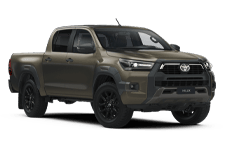
Long toolboxes and bulky materials demand dedicated floor space, which directly reduces passenger space. Certain multi-row crew layouts provide extra seating alongside rear storage, though particular vehicle types can be limited depending on daily fleet turnover and seasonal demand. Choose a layout that guarantees secure separation between the passenger cabin and heavy equipment.
Build Practical Buffers for Handover
Rushing the start or conclusion of a job frequently causes oversights during vehicle inspections. Factor in dedicated time windows for carefully securing tools, checking existing condition notes, and refuelling prior to return. Commit to collection and return times that reflect real-world site setup rather than optimistic travel estimates.
Questions before you book
What should I prepare before enquiring about van hire in Newdigate?
Gather your passenger numbers, approximate cargo measurements, required dates, and nominated driver details. Having these points confirmed ensures you receive suitable vehicle recommendations without unnecessary back-and-forth communication.
How do I choose the right van size in Newdigate?
Review the longest and heaviest items alongside the number of seat belts required. If equipment takes priority, opt for a larger cargo bay; if moving staff together is vital, look for models featuring dual-row seating.