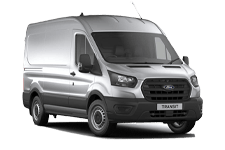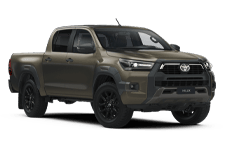
Moving bulky equipment or domestic goods across Send requires matching the vehicle to how you intend to pack it. Comparing your loading arrangements early prevents rushed turnarounds and unnecessary manual lifting on moving day.
Set your working hours realistically
Sketch out how long the loading, transit, and clearing phases will genuinely take before picking your hire period. Allowing a buffer for unexpected delays helps you avoid rushed return deadlines or extending under pressure. Decide whether an early-morning pickup or an evening collection the night before gives your team the calmest start.
Match body styles to your heaviest items
Evaluate how heavy items will physically pass from the kerb into the cargo bay. For example, palletised freight or cumbersome furniture might warrant a tail lift, whereas light boxes suit a low-floor Luton or a standard panel van with wide rear apertures. Prioritise accessibility over raw cubic capacity so you can load securely without strain.
Review parking clearance at both properties
Measure width and height restrictions along private drives or shared courtyards before finalising the model. Large box vans struggle with low-hanging branches or narrow gates that a short-wheelbase commercial easily clears. Choose a vehicle footprint that your designated driver feels confident manoeuvring into tight residential spaces.
Verify documentation and confirm availability
Fleet availability can shift quickly depending on regional demand, so reserve your selected specification as soon as the project dates lock in. Keep photocard driving licences, proof of address, and necessary check codes organised together for handover. Preparing these details beforehand ensures collection day runs without administrative hold-ups.
Questions before you book
How far ahead should I plan van hire in Send?
Booking a week or two in advance usually secures the exact layout you need, especially if your job demands specific features like a tail lift.
What details should I give when enquiring about a van in Send?
Outline the weight and bulk of your largest possessions, your target loading times, and any access barriers at your collection or drop-off points.